
Meta Description: Planning your first trip to Shanghai? Discover the 10 best things to do in Shanghai in 2026 — from the iconic Bund to hidden shikumen alleys — with practical tips for every traveler.
Shanghai is one of those cities that hits you before you even leave the airport. The scale, the speed, the way old and new sit right next to each other without apologizing — there’s nothing quite like it. If this is your first visit, the city can feel overwhelming at first, but it rewards anyone who slows down and pays attention.
This guide covers the 10 best things to do in Shanghai for first-time visitors in 2026, listed in a logical order you can actually follow on the ground.
1. Walk The Bund — But Do It at the Right Time
Why it matters: The Bund is Shanghai’s most famous address, and it deserves that reputation. The 1.5-kilometer promenade runs along the west bank of the Huangpu River, lined with more than 50 colonial-era buildings — banks, trading houses, hotels — built between the 1850s and 1940s. Across the water, the Pudong skyline does its best impression of a science fiction film.
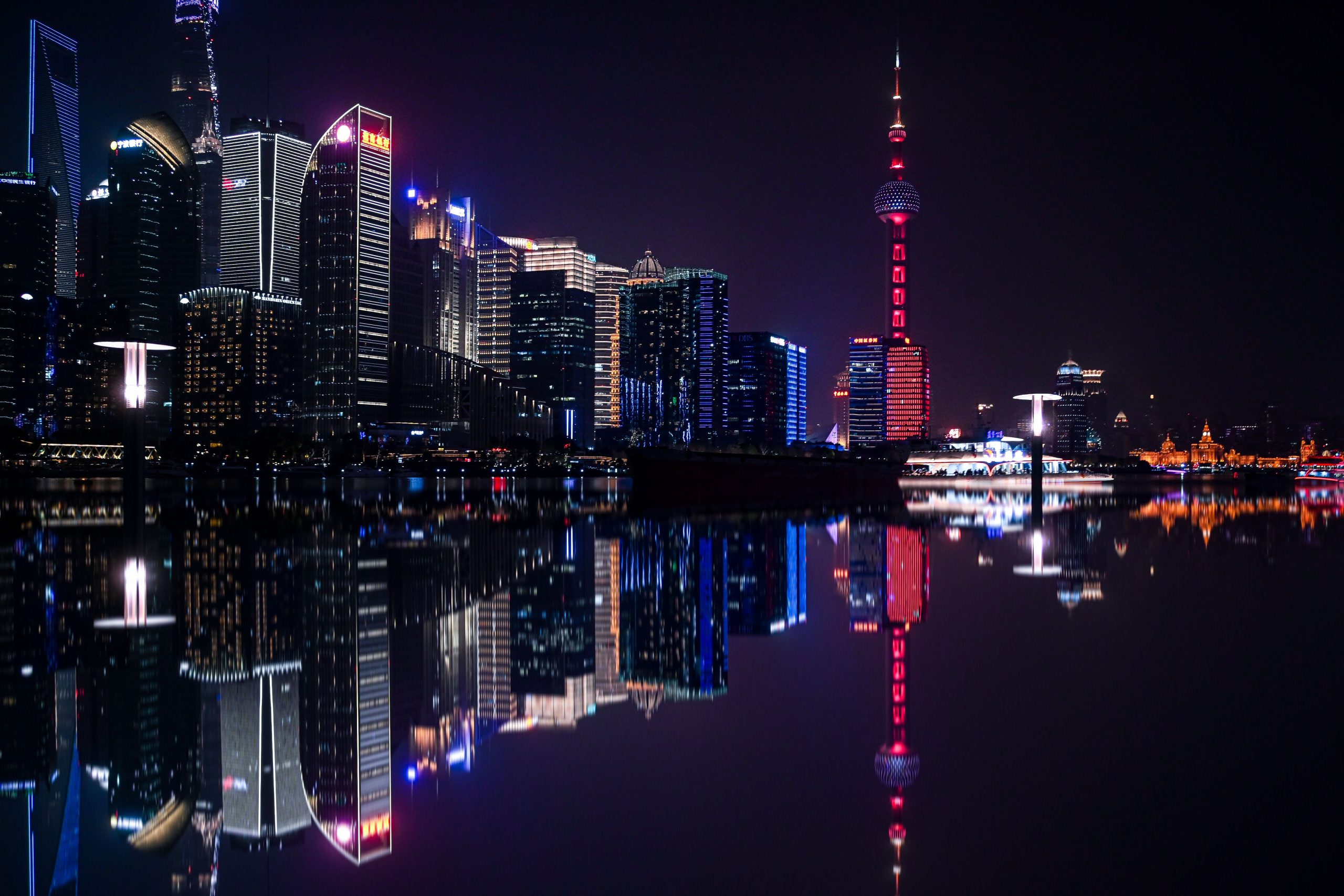
Practical tip: Go in the late afternoon, walk north to south, then stay for the lights. By 7 or 8 PM the towers across the river are fully lit, and the contrast between the stone facades behind you and the glass and steel in front is genuinely spectacular. Weekend nights get crowded fast, so if you visit on a Friday or Saturday, arrive before sunset to claim a good spot along the railing.
What people miss: Most visitors only look east toward Pudong. Turn around occasionally — the detail on the old buildings is worth your time.
2. Take a Huangpu River Night Cruise
Why it matters: You’ve seen The Bund from land. Seeing it from the water is a completely different experience. A river cruise puts you between the two skylines at once, and the reflections on the water at night make for some of the best photos you’ll take in the city.
Practical tip: The standard tourist cruise runs about 45 minutes to an hour and departs from the Bund Sightseeing Tunnel area or the Shiliupu Wharf. Book in advance during peak season (May, October, and Chinese New Year). Shorter 45-minute options work fine if your schedule is tight — you don’t need the longer cruise unless you want a meal on board.
3. Spend a Morning at Yu Garden and the Old City
Why it matters: Yu Garden (Yuyuan Garden) is a 16th-century classical Chinese garden tucked inside the old walled city of Shanghai. It’s small — about 2 hectares — but remarkably dense with pavilions, rockeries, ponds, and covered corridors. The surrounding Old City bazaar is one of the few places in Shanghai where the street layout still follows the pre-colonial city plan.
Practical tip: Go early. By 9 AM the garden is already filling up; by 10:30 it can feel like a crowd management exercise. The best light for photos is also in the first hour after opening. After the garden, spend time wandering the lanes around Chenghuangmiao — the street food here is genuine, not tourist-facing, and xiaolongbao (soup dumplings) from a local stall will cost a fraction of what you’d pay in Xintiandi.
What people miss: The teahouse in the middle of the pond (Huxinting Teahouse) is the oldest teahouse in Shanghai. It’s worth a slow cup even if tea isn’t your thing.
4. Go Up the Shanghai Tower or Shanghai World Financial Center
Why it matters: Shanghai has three supertall buildings in Pudong — the Jin Mao Tower, the Shanghai World Financial Center (SWFC), and the Shanghai Tower. Standing at ground level and looking up is impressive. Standing at the top and looking down is something else entirely.
Practical tip: The SWFC observation deck is on the 100th floor at 474 meters and has a glass-bottomed section that makes most people’s legs do something interesting. The Shanghai Tower’s sky deck at 632 meters is the highest in China, but visibility varies a lot by season — spring and autumn tend to be clearer than summer. Book tickets online ahead of time; walk-up queues can be long.
Which one to choose: If you can only do one, the SWFC is slightly more affordable and the views are excellent. If budget isn’t a concern, the Shanghai Tower is the tallest and offers the widest perspective.
5. Explore the French Concession on Foot
Why it matters: The Former French Concession is where Shanghai feels most like itself — a city that absorbed a hundred years of foreign influence and turned it into something entirely its own. The streets here are lined with plane trees planted in the 1920s, and behind them you’ll find Art Deco apartment buildings, converted longtang (lane houses), independent cafés, and some of the best restaurants in the city.
Practical tip: The core area runs roughly between Fuxing Road, Huaihai Middle Road, and Wukang Road. Wukang Road in particular has become one of the most photographed streets in the city — the curved building at the north end is worth seeing, and the cafés along that stretch are genuinely good. Avoid this area on weekend afternoons if you dislike crowds; it gets busy.
What people miss: Fuxing Park, a few blocks off the main drag, is where older Shanghai residents come to play cards, do tai chi, and practice ballroom dancing in the mornings. It’s free to enter and shows you a side of the city that most first-timers walk straight past.
6. Visit the Shanghai Museum
Why it matters: The Shanghai Museum on People’s Square is one of the best museums in China for ancient art, and one of the most accessible for visitors who don’t read Chinese. The collection covers bronzes, ceramics, jade, calligraphy, painting, furniture, and minority art — more than 120,000 objects across 11 permanent galleries.
Practical tip: Entry is free but requires advance online reservation (as of 2026, walk-ins are limited). Plan for two to three hours. The bronze and ceramics galleries are the strongest, and the furniture collection on the upper floor is genuinely unusual — Song, Ming, and Qing dynasty pieces that most museums elsewhere in the world don’t have in this quality or quantity.
7. Eat Your Way Through Nanjing Road and the Side Streets
Why it matters: Nanjing Road Pedestrian Street stretches nearly 5.5 kilometers from The Bund to Jing’an Temple and gets over a million visitors on a busy day. The main strip itself is mostly chain stores and tourist restaurants, but the side streets feeding into it are where you’ll find the food worth eating.
Practical tip: For breakfast, look for a congee and youtiao (fried dough) spot in the lanes off Nanjing West Road. For lunch, any of the smaller Shanghainese restaurants one or two blocks off the main pedestrian street will be better and cheaper than anything on the strip itself. If you want to try xiaolongbao at a sit-down restaurant, Nanxiang Steamed Bun Restaurant in Yu Garden is the famous option — expect a queue, but it moves reasonably fast.
What to order: Beyond soup dumplings, look for shengjianbao (pan-fried buns with pork and broth), hongshao rou (red-braised pork belly), and scallion noodles. These are the dishes Shanghai actually does best.
8. Spend an Afternoon in Tianzifang
Why it matters: Tianzifang is a network of converted shikumen (stone gate) lane houses in the Luwan district, now filled with independent shops, galleries, cafés, and small restaurants. It’s the more intimate, walkable counterpart to the French Concession’s main streets, and it gives a reasonable sense of what residential Shanghai looked like before large-scale redevelopment.
Practical tip: Go on a weekday if possible. Weekends draw significant crowds through the narrow lanes and the experience changes considerably. The area is small enough to cover in two hours, but if you find a rooftop café you like, there’s no reason to rush. Xintiandi, a similar but more upscale development, is a short walk away and worth seeing for its restored architecture even if the prices skew tourist.
9. Take a Day Trip to Zhujiajiao Water Town
Why it matters: About 45 minutes from central Shanghai by metro or bus, Zhujiajiao is a Ming-dynasty canal town with stone bridges, whitewashed houses, and narrow lanes that follow the water. It’s the most accessible of the region’s water towns from Shanghai and gives you a genuine contrast to the city’s pace.
Practical tip: Leave early — by 9 AM at the latest — to get ahead of the tour groups that arrive mid-morning. The main canal area and Fangsheng Bridge (the largest in the town, with five arches) are the highlights. Local specialties here include zongzi (sticky rice dumplings) and brown-sugar rice cakes. The town is small enough to cover on foot in half a day, leaving you back in Shanghai for the evening.
What people miss: Walk away from the main tourist lanes toward the residential side streets. The town has actual residents and the quieter sections feel noticeably different from the busier central area.
10. See Lujiazui at Night from Across the River
Why it matters: This is the reverse of number one on this list, and it completes the picture. After spending time in Pudong seeing the city from above, stand on the Bund at night and look across at what you were standing on. The three supertalls — Jin Mao, SWFC, and Shanghai Tower — are lit differently every night, and the whole skyline has a quality that professional photographs don’t quite capture until you’re standing in front of it.
Practical tip: The best view from The Bund is roughly level with Yan’an East Road in the center of the promenade. On clear nights, every building in Pudong is visible, and the lights on the river add a layer that makes the scene feel less like a city and more like something purpose-built for the moment. This is where most people from Shanghai will tell you the city shows off best.
Practical Tips for First-Time Visitors to Shanghai (2026)
Getting around: Shanghai’s metro system is excellent, cheap, and covers all the major attractions on this list. A transit card (Jiaotong Card) is worth getting if you’re staying more than two days. Taxis are widely available and inexpensive by Western standards, but have the driver’s destination written in Chinese characters — not everyone speaks English.
Connectivity: Foreign visitors need a VPN to access Google, Instagram, WhatsApp, and most Western apps. Download and set up your VPN before you arrive, as the app stores restrict VPN apps once you’re connected to a Chinese network. WeChat Pay and Alipay are now accessible to foreign visitors with linked international cards, which makes day-to-day payments significantly easier than it was a few years ago.
Best time to visit: April to May and September to November offer the most pleasant weather. Summer (June to August) is hot and humid with occasional typhoons. January and February can be cold and grey, though the city is quieter outside of Chinese New Year.
Language: English is spoken in most hotels and tourist areas but is limited elsewhere. Having a translation app (Google Translate works offline) and key phrases written in Chinese makes a real difference outside the main districts.